Finding the right property is more than just a transaction; it is an emotional and financial decision that can shape your future. Whether you are buying your first home, investing in land, or verifying ownership details, a reliable property search is the foundation of every smart real estate decision. Many people rush into property deals based on appearance or verbal promises, only to face legal issues, unexpected costs, or regret later. This is where a proper property search becomes essential.
A well-structured property search helps you see the complete picture before making a commitment. It provides clarity, confidence, and peace of mind by revealing ownership records, property value, land use, and historical data. Instead of guessing or relying on incomplete information, you gain access to facts that support informed choices. In today’s fast-moving real estate environment, a thorough property search is not a luxury—it is a necessity.

Property Search Explained (Complete Overview)
Property search refers to the process of researching and verifying detailed information about a property before making any legal or financial decision. It allows individuals to understand who owns the property, how it has been used, and what its assessed value is. A proper property search protects buyers and investors from fraud, disputes, and costly mistakes.
This process is important for homeowners, real estate professionals, investors, and even legal teams. A dependable property search ensures transparency and helps all parties involved make confident decisions. With accurate records and organized data, property search systems create trust between buyers and sellers.
Purpose of Property Search
The main purpose of a property search is to provide clear and verified information. It helps users confirm ownership, assess value, and understand legal boundaries. By relying on factual data rather than assumptions, individuals can avoid risks and move forward with confidence.
Property Search Methods Used Today
There are several methods available for conducting a property search. Each method serves a different purpose and can be chosen based on the information you already have. Using the correct method ensures better accuracy and faster results.
Modern property search methods are designed to be user-friendly and accessible. They reduce the need for physical paperwork and long waiting periods. Choosing the right approach helps save time while improving reliability.
Property Search by Owner Name
Searching by owner name is useful when you want to identify all properties linked to a specific individual or organization. This method is often used in legal verification or investment research.
Benefits include:
- Easy identification of multiple properties
- Helpful for ownership verification
- Useful for background research
Property Search by Parcel Number
Parcel number searches are among the most accurate property search methods. Each property is assigned a unique parcel number, making it easier to retrieve exact records.
Why this method works well:
- High accuracy
- Minimal risk of confusion
- Direct connection to official records
Property Search by Property Address
Address-based property search is the most common method for general users. It allows individuals to look up properties using street names and house numbers.
This method is especially helpful when the owner’s name or parcel number is unknown.
Property Search Information You Can Access
A detailed property search provides more than just basic identification. It offers a complete overview of a property’s status, history, and legal standing. This information helps users make informed decisions without relying on assumptions.
Ownership Details in Property Search
Ownership details confirm who legally owns the property. This includes current owner names and recorded transfers. Verifying ownership is critical to avoiding disputes and fraudulent transactions.
Property Value and Assessment Details
Property search results often include assessed or appraised values. These values help users understand how the property is evaluated for taxation and planning purposes.
Land Use and Property Classification
Land use classification shows how a property is legally permitted to be used. Common categories include:
- Residential
- Commercial
- Agricultural
- Industrial
Understanding land use helps prevent misuse and legal complications.
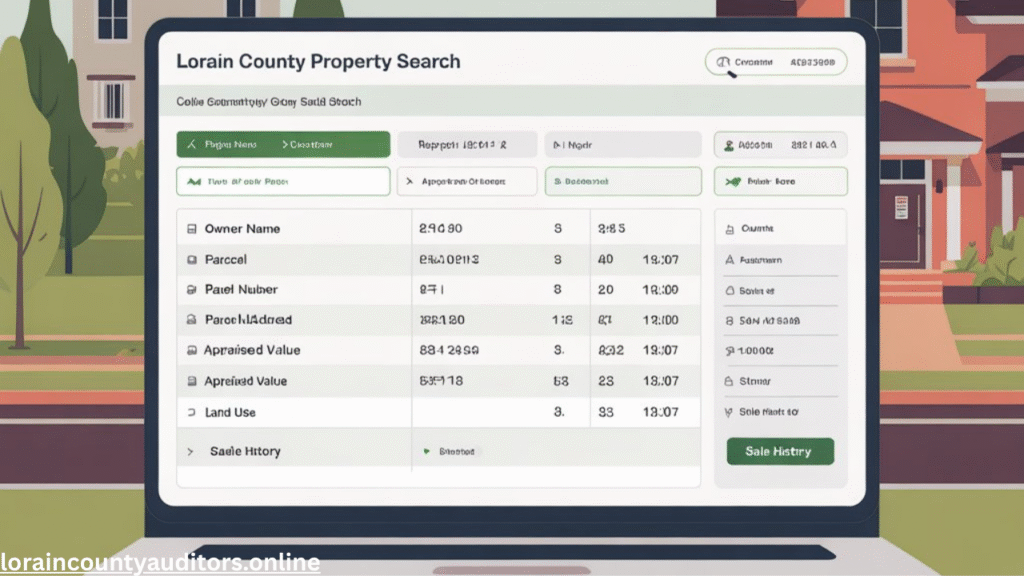
Property Search Information Table
| Information Type | Description |
|---|---|
| Owner Name | Legal property owner |
| Parcel Number | Unique property identifier |
| Property Address | Physical location |
| Assessed Value | Official valuation |
| Land Use | Approved property use |
| Sale History | Previous transactions |
Property Search for Buyers and Investors
For buyers and investors, property search is a critical step before any purchase. It helps confirm that the property aligns with both financial goals and legal requirements.
A strong property search reduces uncertainty and ensures that investments are based on facts rather than assumptions.
How Property Search Reduces Financial Risk
By reviewing ownership, valuation, and history, property search minimizes the chances of overpaying or buying disputed property. This protection is essential for long-term financial stability.
Property Search for Long-Term Planning
Property search supports long-term planning by revealing trends, future potential, and development possibilities. Investors can evaluate whether a property will gain value over time.
Property Search Across Different Locations
Location plays a major role in property value and usage. Property search allows users to compare properties across different areas, helping them make strategic decisions.
Property Search in Urban Areas
Urban property search focuses on residential and commercial buildings. These areas often have higher demand, better infrastructure, and faster market movement.
Property Search in Rural Areas
Rural property search highlights agricultural land and open spaces. These properties may offer long-term growth opportunities at lower initial costs.
Common Mistakes in Property Search
Despite available tools, many users make avoidable mistakes during property search. These errors often lead to legal or financial problems later.
Relying on Incomplete Property Search Data
Incomplete data can result in misunderstandings about ownership or boundaries. Always review full records before making decisions.
Ignoring Legal Details During Property Search
Legal details such as zoning and land use restrictions are critical. Ignoring them can result in penalties or forced changes.
Benefits of Using an Accurate Property Search System
A reliable property search system provides clarity, trust, and efficiency. It simplifies complex information and makes it accessible to all users.
Transparency Through Property Search
Transparency builds confidence. When property records are open and clear, buyers and sellers can engage with trust.
Convenience and Accessibility
Modern property search systems allow users to access information anytime, saving time and effort.
Property Search Tips for First-Time Users
First-time users may feel overwhelmed, but simple steps can improve accuracy and confidence.
How to Get Accurate Results from Property Search
- Use correct spellings
- Apply proper filters
- Double-check results
Verifying Property Search Information
Cross-checking information with official sources ensures reliability and peace of mind.
Future of Property Search
Property search continues to evolve with technology. Improved accessibility and data organization are shaping the future of real estate research.
Growing Importance of Online Property Search
Online access has made property search faster and more transparent, helping users make better decisions with confidence.
Conclusion – Why Property Search Is Essential
Property search is the backbone of responsible real estate decisions. It empowers individuals with knowledge, protects investments, and reduces uncertainty. Whether you are buying, selling, or researching, a proper property search ensures that your choices are informed, secure, and future-ready. When facts guide decisions, confidence naturally follows.
FAQS.
What is a property search?
A property search is the process of finding detailed information about a property, including ownership records, property value, land use, and transaction history, before making a legal or financial decision.
2. Why is property search important before buying property?
Property search helps buyers verify ownership, avoid legal disputes, understand property value, and make informed decisions, reducing financial and legal risks.
3. What information can I find through a property search?
A property search usually provides owner details, parcel number, property address, assessed value, land use type, acreage, and past sale history.
4. Can I perform a property search using an address?
Yes, property search by address is one of the most common methods and allows users to find property records using a street name and house number.
5. What is a parcel number in property search?
A parcel number is a unique identification number assigned to a property by local authorities and is used to track ownership, valuation, and land records accurately.
6. Is property search data reliable for investment decisions?
Yes, property search data is reliable when sourced from official records and helps investors evaluate property value, ownership status, and future potential.
7. How often is property search information updated?
Property search records are updated regularly to reflect ownership changes, assessments, and property transactions, though update frequency may vary by location.
8. Can property search show past ownership or sale history?
Yes, most property search systems include previous sale prices, sale dates, and historical ownership details for better transparency.
9. Does property search include land use and zoning information?
Yes, property search often shows land use classification such as residential, commercial, agricultural, or industrial, which helps prevent legal misuse.
10. Is property search free to use?
Many property search tools are publicly accessible and free, though some advanced or detailed reports may require additional access or fees.